
Ciné-Concert La Belle & la Bête
Théâtre du Châtelet — 1 place du Châtelet, 75001 Paris
- AudienceAll ages
- AccessibilityVisual impairment
- BookingRequired
About
Automatically translated. Read the original French text.
This new universe troubles me, disturbs me, captivates me. Without realizing it, I had composed a score in my head, and the orchestra's waves contradict it. Little by little, Auric triumphs over my absurd discomfort. My music gives way to his. This music weds the film, permeates it, exalts it, completes it.
Jean Cocteau,
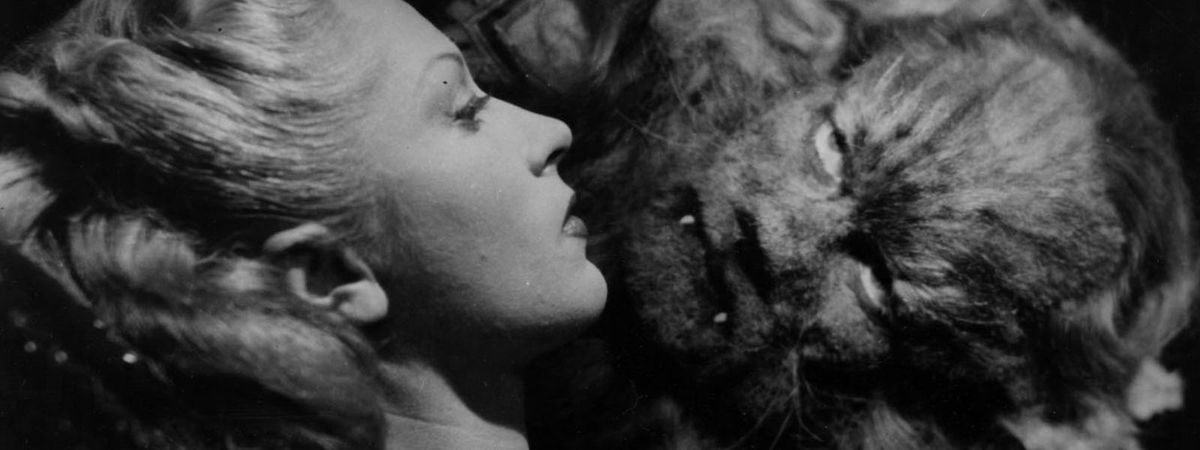
Without a doubt, Beauty and the Beast is one of the greatest masterpieces of post-Liberation French cinema. Directed by Jean Cocteau, assisted by René Clément, and shot in August 1945, the film brings together the leading talents of the day. Adapting Jeanne-Marie Leprince de Beaumont's fairy tale, Cocteau conceived the screenplay and staging simultaneously, anchoring them in a highly specific visual universe.
At once a tribute to the great seventeenth-century Dutch masters—such as Pieter de Hooch and Johannes Vermeer, who were then exploring the camera obscura—Beauty and the Beast also draws on nineteenth-century engraving, notably Gustave Doré. It is the directional lighting of those engravings that guides cinematographer Henri Alekan's eye as he aims his spotlights at Christian Bérard's sets. Worn by Josette Day (Belle), Marcel André (the Father), Michel Auclair (Ludovic), and Jean Marais (the Beast, the Prince, and Avenant), Georges Escoffier's costumes are heightened by Hagop Arakélian's extraordinary makeup, which required Jean Marais to spend three to four hours every day just having his face made up. Both popular and demanding,
Beauty and the Beast is a fantastical, grave, and deeply moving film that explores love as much as death. Georges Auric's score plays no small part in this: a committed composer of the Popular Front, member of Les Six, and Resistance fighter under Vichy and the Occupation, Auric had been a fellow traveler of Jean Cocteau for nearly thirty years. As a counterpoint to the narrator's voice—performed by Cocteau himself—the music acts as a full-fledged narrative element in the service of the poetic and the fantastical. To mark the eightieth anniversary of the film's release, the Orchestre philharmonique de Radio France lends its talents to the world premiere of this film in cine-concert.
Where to book
From €35Prices: From 35 to 79 euros.
Getting there
DirectionsThéâtre du Châtelet
1 place du Châtelet, 75001 Paris, Paris
- M1M4M7M11+1Châtelet3 min walk
- M7Pont Neuf5 min walk
Stations: Île-de-France Mobilités
Full venue programme →Sources : Que faire à Paris, chatelet.com · details last read on 16 November 2026