 Show
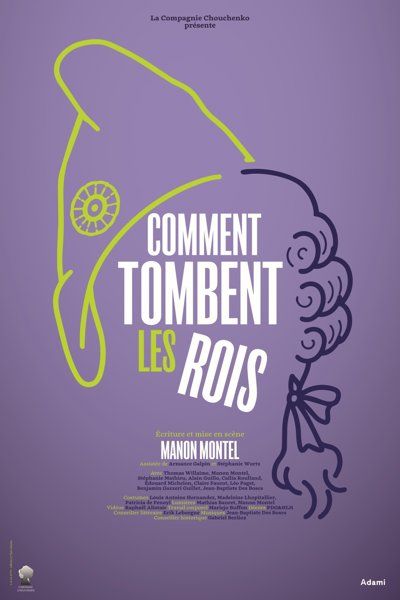
Comment tombent les Rois
About
Automatically translated. Read the original French text.
Comment tombent les Rois plunges into the French revolutionary turmoil, from 1788 to 1794, through the saga of siblings. Nicolas, ward of an aristocrat, receives the teachings of the Enlightenment and becomes a lawyer, driven by the desire for a parliamentary monarchy and a more egalitarian society.
Gabriel, his half-brother, a free and provocative genius, rejects academic constraints and puts his drawing talent at the service of the newspaper L'Ami du Peuple, growing closer to Marat. Marianne, an ambitious half-sister and artist as well, struggles to exist as a woman but succumbs to the charms of the Marquis, sacrificing her ideals for security and prestige.
The play recounts the rising tensions, the collapse of ideals, and the blazing of passions. Nicolas, a moderate deputy in love with Manon Roland, is torn between family loyalty and political commitment. Gabriel, consumed by his hatred of aristocracy and clergy, becomes a juror of the Revolutionary Tribunal, implacable and inflexible. Marianne wavers between ambition and renunciation. In 1793, arrests and executions upend their lives.
Inspired by The Gods Are Athirst by Anatole France, Comment tombent les Rois shows the ideals of the Enlightenment—freedom, equality, reason—spawning the Terror. A rich show carried by a troupe of ten actors, combining projections, sets, and costumes, where the fragile grandeur of men collides with the storms of History.
Practical info
Last date: 7 March 2027
Full venue programme →
All dates 10
- Thursday, 25 February 2027 · 21:00 This date
- Friday, 26 February 2027 · 21:00
- Saturday, 27 February 2027 · 16:30
- Saturday, 27 February 2027 · 21:00
- Sunday, 28 February 2027 · 16:30
- Thursday, 4 March 2027 · 21:00
- Friday, 5 March 2027 · 21:00
- Saturday, 6 March 2027 · 16:30
- Saturday, 6 March 2027 · 21:00
- Sunday, 7 March 2027 · 16:30