 Exhibition
Exposition « Shunga - Chefs-d’œuvre de l’art érotique à l’époque Edo (1603-1868) »
About
Automatically translated. Read the original French text.
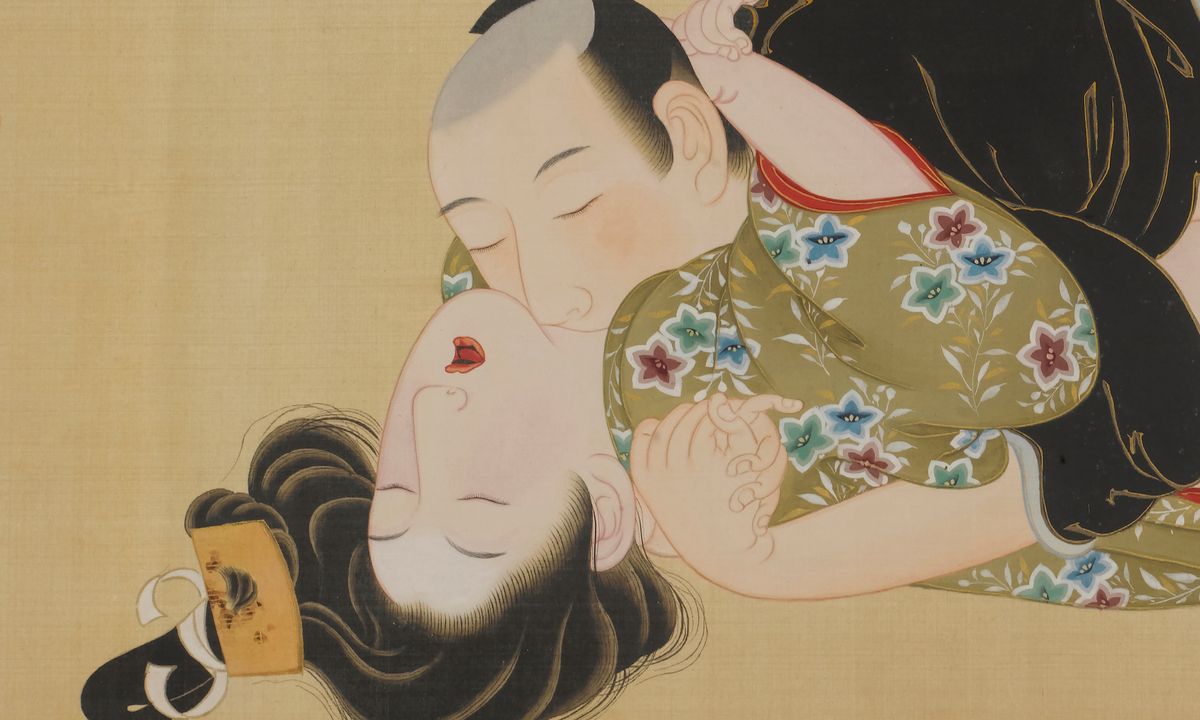
The art of shunga, or "spring pictures", flourished during the Edo period (1603-1868), when Japan maintained rare contacts with the outside world and when a rich and refined urban culture was blossoming. Nearly all the masters of ukiyo-e, starting with Harunobu, Utamaro and Hokusai, composed erotic images, which is one of the major characteristics of this genre.
Originally, shunga appeared in the form of paintings, reserved for an elite due to their rarity. But in the seventeenth century, with the rapid improvement of woodblock printing techniques, printed books and woodblock prints became their main distribution media. It may seem surprising that, despite their licentious theme, many shunga were crafted with remarkable care and constitute masterpieces of Japanese art. However, the masters of ukiyo-e considered the creation of erotic works an integral part of their work.
Humour is another major feature of shunga, which for a long time were called "laughing pictures" (warai-e). It should indeed be noted that erotic works did not have the sole function of stimulating sexual desire. Their uses were diverse: entertaining, amusing, educating newly-weds... or even protecting against fire.
Just as surprising is the fact that in the eighteenth century, erotic depictions of courtesans, notably from the famous Yoshiwara pleasure district, were few in number compared to those portraying the lovemaking of married couples or lovers. Shunga highlight the sexual fulfillment of partners happy to make love and pay great attention to female pleasure. Doubtless because women of the Edo period also enjoyed contemplating these images.
Presented chronologically, the superb works gathered in this exhibition retrace the evolution of shunga and deconstruct certain preconceived ideas about this art, which is enjoying renewed interest throughout the world.
Due to the fragility of the works, their presentation will take place in two parts:
1st part: 12 November-19 December / 2nd part: 5 January-13 February
Practical info
Full venue programme →