 Exhibition
Galerie du Haut Pavé : Exposition de Clément ETIENNE
About
Automatically translated. Read the original French text.
Cinema deeply irrigates the practice of Clément Étienne.
More than the stories he produces, the artist is interested in his materiality: the light, the decor, the space and the processes that give birth to the image. Trained in graphic design before moving towards the visual arts, he developed a work in which painting, drawing, sculpture and installation borrow the techniques of the painter in decoration as well as those of the printed image.
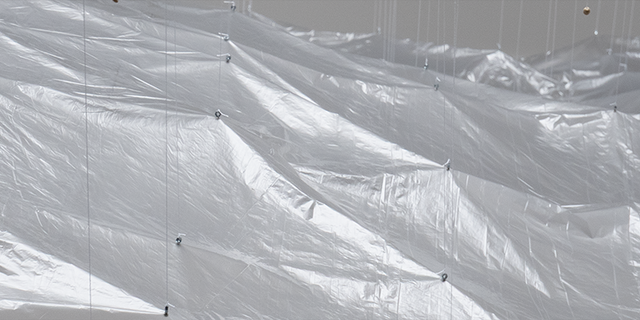
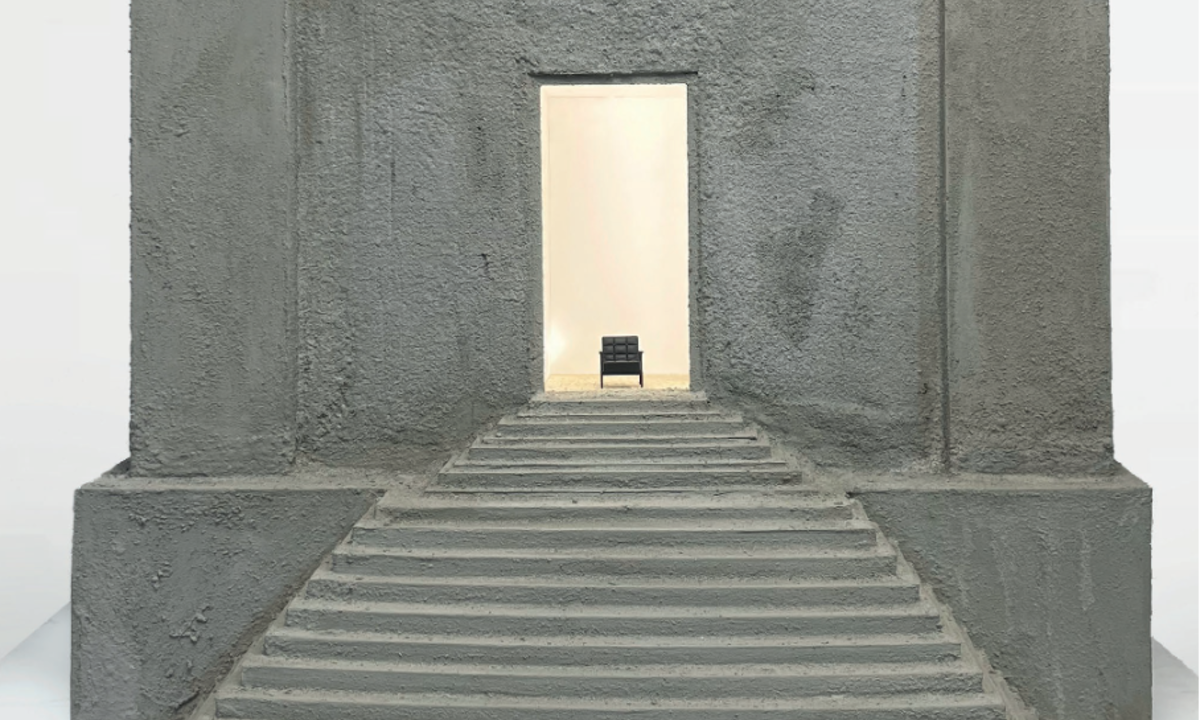
His research is based on stories of anticipation, not to illustrate fictions, but to question the transformations of our environment. Deserted hotels, abandoned theatres, mineral architectures or landscapes crossed by bad weather make up spaces where the elements seem to take possession of the place. Fire, rain, air or oxidation then become forces that transform the image and reveal the fragility of human constructions.
This attention to phenomena goes through all of his work. Airbrush, plaster, mortar, patinas or chemical reactions become ways to explore the processing capabilities of matter. Surfaces burn, discolor, load with pigments or retain the imprint of a vanished form. The image then seems to appear on its own, as if it retains the memory of the processes that gave birth to it.
Between painting, sculpture and installation, Clément Étienne maintains an uncertainty of the gaze. Ladders get confused, materials merge, decorations sometimes seem real while architecture becomes illusion.
By moving the cinema from the screen to the exhibition space, he makes the image a sensitive matter, crossed by time, light and elements, where fiction continues to be built.
Texte de Steven Vandeporta
Practical info
Full venue programme →