 Talk
Gestes disparus, traces vivantes : Quand le passé rencontre le présent
About
Automatically translated. Read the original French text.
The evening will be punctuated by interludes: musical breathing played by Sogol Mirzaei, an Iranian musician and readings of texts played by the Théâtre de la Ville troupe.
With:
Eloïse Letellier-Taillefer, art historian and archaeologist of the Roman world at Sorbonne University and Javiera Hiault Echeverria, visual artist.
Sandra Aube, art historian of the worlds of Islam, researcher at the CNRS within the research center on the Iranian world and Sipana Tchakerian, archaeologist specializing in the medieval South Caucasus and scientific coordinator at the National Institute of Art History.
Benoît Caron, volcanologist at the Paris Institute of Earth Sciences - Sorbonne University and David Pleurdeau, prehistorian at the National Museum of Natural History.
With the support of Pierre-Marie Chauvin, vice-president of Arts, Sciences, Culture and Society of Sorbonne University and Emmanuel Demarcy-Mota, director of Théâtre de la Ville. With the support of Pierre-Marie Chauvin, vice-president of Arts, Sciences, Culture and Society and Emmanuel Demarcy-Mota, director of Théâtre de la Ville.
On the program: three fragments, three experiences
#Fragment 1 - Pompeii graffiti: how to trace a public space?
With Eloïse Letellier-Taillefer, art historian and archaeologist of the Roman world at Sorbonne University and Javiera Hiault Echeverria, visual artist.
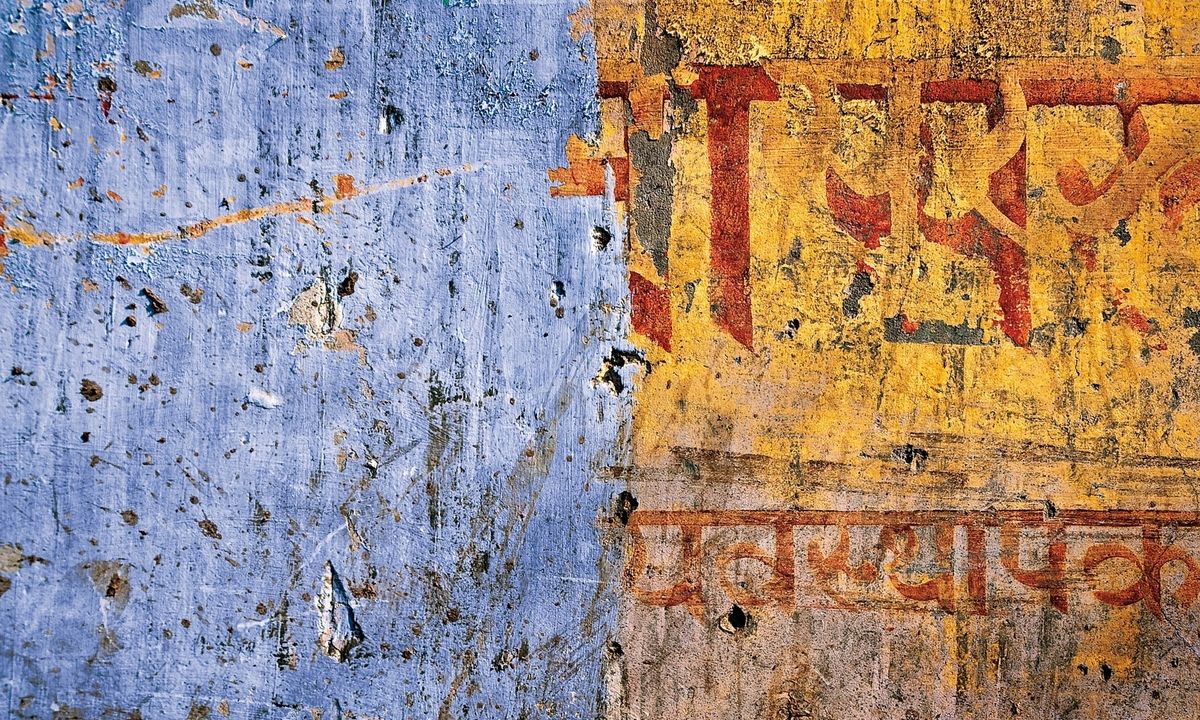
What if the walls of Pompeii told the story of how inhabitants of Antiquity could take over a public space? In a corridor connecting two theaters, hundreds of graffiti have survived nearly two thousand years. Names, messages of love, insults, drawings and accumulated traces make voices often absent from official accounts heard and reveal the habits, movements and imaginations of a Roman society. The Noises of Corridors project brings together archaeology, history, art history, ancient languages and digital technologies. With the artist Javiera Hiault Echeverria, research involves experience and creation: come and experience the power of the sensitive to listen to what these past gestures have to tell us.
#Fragment 2 - Heritage in danger, research prevented
With Sandra Aube, art historian of the worlds of Islam, researcher at the CNRS within the research center on the Iranian world and Sipana Tchakerian, archaeologist specializing in the medieval South Caucasus and scientific coordinator at the National Institute of Art History.
In conflict zones, material heritage is threatened, but so is the research that helps us understand it. Wars, political violence, exile and difficulties in accessing the field risk causing entire sections of history to disappear.
Created in 2025, the RePaZ (Research and Heritage in Crisis Zones) unit supports researchers working on endangered heritage, first in the Middle East and in neighboring regions, from Sudan to Afghanistan. Preserving heritage also means preserving stories, memories and the diversity of views on the world. This project invites us to think about ways to document, transmit and protect these fragile stories, while alerting political leaders to the urgency of supporting research.
#Fragment 3 - Transmitting heritage: the experience of the sensitive
With Benoît Caron, volcanologist at the Paris Institute of Earth Sciences - Sorbonne University and David Pleurdeau, prehistorian at the National Museum of Natural History.
How can we revive cave paintings that are thousands of years old? The PAS (Heritage, Arts and Society) project invites you to discover the heritage of Namibia in a different way, at the crossroads of archeology and dance.
Born from the meeting between the Archaeological Mission in Namibia and the OYO dance company, this project explores the traces left by human societies in arid landscapes: cave paintings, rock shelters and geological sites. Scientists study these remains to better understand ancient ways of life and how people adapted to changes in their environment. But here, heritage is not just seen: it is felt. Through movement, gesture and rhythm, dance gives new life to old images and highlights their connection with the territories.
Come discover how research and artistic creation can come together to tell our story differently and better understand the relationships between human beings and their environment.
Practical info
Full venue programme →