
 Other
Histoires d'A, un film emblématique de la lutte pour l'IVG
About
Automatically translated. Read the original French text.
Histoires d’A belongs to the activist cinema movement that emerged from May 68. It was filmed between April and May 1973 at the initiative of the GIS. Founded in 1972, the GIS, Groupe Information Santé, brought together young doctors; one of its founders, Pierre Jouannet, introduced the Karman method to France. The GIS advocated civil disobedience.
We do not beg for a rightful entitlement; we fight for it.
Wilhelm Reich, historic MLAC slogan
With a small amount of funding from Planning Familial, Marielle Issartel and Charles Belmont made an activist film in 12 days, showing, among other actions, an abortion using the Karman method.
The film stood alongside other activist actions: the manifesto of 343 women declaring that they had had abortions (April 1971, Le Nouvel Observateur), and, also initiated by the GIS, the manifesto of 331 doctors declaring that they performed abortions (February 1973, Le Nouvel Observateur).
In 1973, abortion was a crime punishable under the law of July 1920, with heavy fines and prison sentences ranging from 6 months to 2 years.
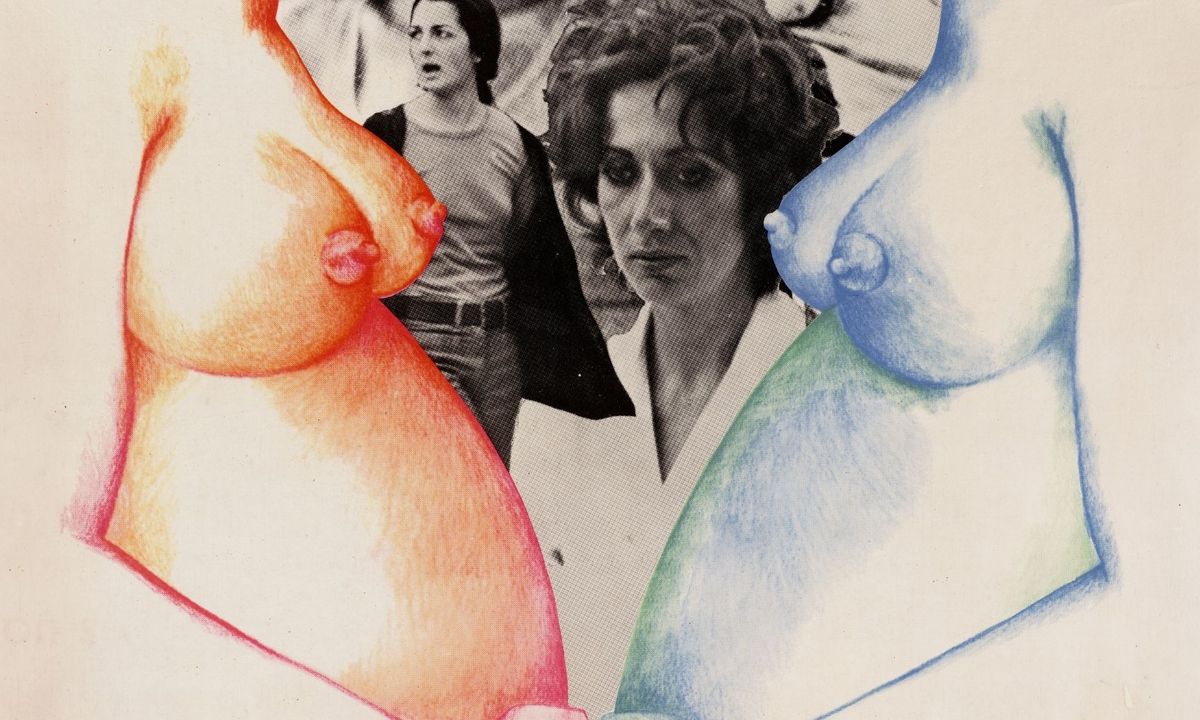
Upon release, the film Histoire d’A (its title alludes to Histoire d’O) and its poster, created by Monique Frydman, were banned from all public and private distribution by Minister of Cultural Affairs Maurice Druon. Screenings nevertheless took place, notably for the Socialist groups in Parliament and at Cannes in 1974. The film circulated clandestinely, particularly through the MLAC.
It was finally authorised, with an adults-only restriction, in November 1974, shortly before parliamentary debates on the Veil law began (January 1975, exactly 50 years ago). By 1976, it was estimated that the film had already attracted 350,000 viewers.
Restored with the support of the Centre du Cinéma et de l’Image animée, the film was released on DVD in September 2022.
Practical info
Full venue programme →