
 Concert
JUNE MCDOOM
About
Automatically translated. Read the original French text.
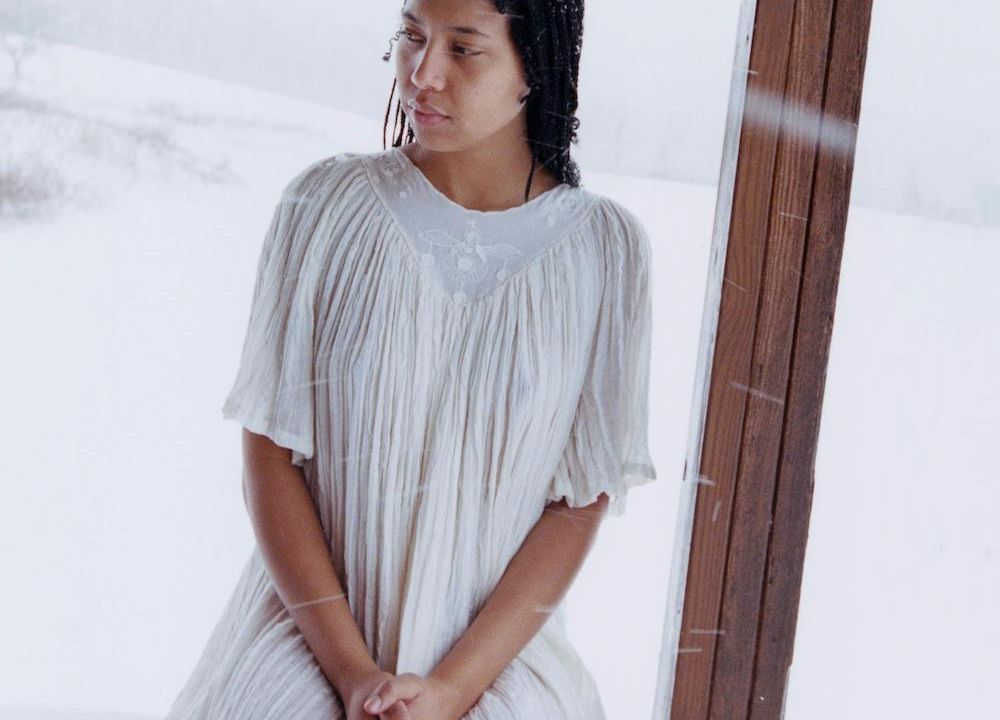
June grew up in a Jamaican family in South Florida; her life was shaped by a close-knit extended family, community solidarity, and bass and harmonies. Her father, a woodworker and sound enthusiast, built his own speakers and maintained no less than three sound systems across as many rooms. The bass from his solo DJ sessions crept through the floorboards into June's bedroom, curling up like a stray cat while she listened to folk records, discovering harmonies that were brand new and precious to her. She discovered folk music on her own, somewhere between the soundtrack to The Sound of Music and Simon & Garfunkel's songs for the film The Graduate. She didn't mind being the only one listening to folk; that solitude allowed her to fall in love with harmony above all else—before the lyrics, before anything else.
Yet an elder had walked a similar path: her grandfather, Colin Smith, was a revered mento musician. He played banjo and guitar, made his own rumba boxes and strove to keep alive Jamaica's oldest form of rural acoustic folk music from oral tradition. Mento is the genre at the root of it all—it is what gave us ska, rocksteady, reggae, dub and everything that followed—and it was what put a guitar into June's hands. An inheritance, a gift and a compass.
By layering the textures of these songs and this album, June discovers who she is in real time. Every day we carry within us a whole lineage of facets of our own personality, while reaching out to meet those we will discover later. We reach out toward those people while signaling to them, never forgetting the lineages of individuals who helped shape us and bring us to where we are. An assemblage of people and things that seemingly do not belong together, but which we let into our lives nonetheless.
Practical info
Full venue programme →