 Show
La dame de la mer
About
Automatically translated. Read the original French text.
"La Dame de la mer" is one of Henrik Ibsen's most mysterious works.
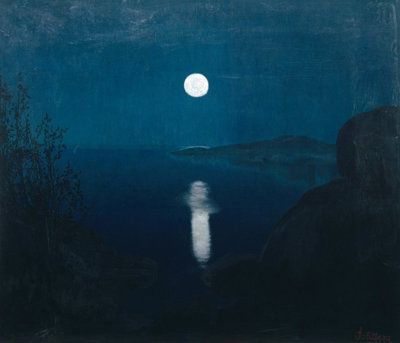
The action takes place in summer, on the shores of a fjord, in a home surrounded by omnipresent nature, where Dr Wangel lives with his two daughters, Bolette and Hilde, and his new wife, Ellida. The atmosphere is peaceful, almost idyllic, but beneath this apparent serenity simmers a muted tension. Ellida seems possessed by the sea, fascinated by its depths, haunted by the memory of an unknown sailor to whom she once bound herself by an enigmatic promise.
When this man resurfaces from the past demanding she honour her oath, the fragile structure of everyday life fractures.
Through this drama tinged with symbolism, Ibsen questions the sense of freedom: how do we choose our destiny when torn between the call of the unknown and the security of existence? Between the lure of transgression and family duty?
The play probes the depths of the human soul with remarkable poetic power. The dialogues, subtle and elliptical, suggest more than they state, opening up a space where the unsaid becomes vertigo. The Nordic landscapes, masterfully evoked, reflect the characters' inner turmoil, especially that of Ellida, torn between reason and a mysterious inner longing. Ibsen composes a score in which the sea becomes a primal force that draws, reveals and transforms.
Between the magnetic call of the open sea and family roots, Ellida must choose.
A theatrical, visual, musical and choreographic creation brought to the stage by seven actors.
Practical info
Last date: 20 December 2026
Full venue programme →
All dates 15
- Thursday, 3 December 2026 · 21:00 This date
- Friday, 4 December 2026 · 21:00
- Saturday, 5 December 2026 · 16:30
- Saturday, 5 December 2026 · 21:00
- Sunday, 6 December 2026 · 16:30
- Thursday, 10 December 2026 · 21:00
- Friday, 11 December 2026 · 21:00
- Saturday, 12 December 2026 · 16:30
- Saturday, 12 December 2026 · 21:00
- Sunday, 13 December 2026 · 16:30
- Thursday, 17 December 2026 · 21:00
- Friday, 18 December 2026 · 21:00
- Saturday, 19 December 2026 · 16:30
- Saturday, 19 December 2026 · 21:00
- Sunday, 20 December 2026 · 16:30