 Other
Le cabaret des marionnettes, une histoire parisienne de 1940 à 1970
About
Automatically translated. Read the original French text.
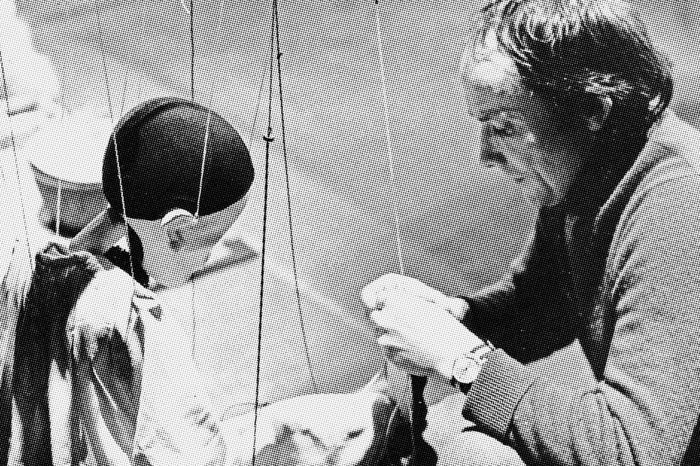
After World War II, Parisian cabarets became one of the laboratories of modern puppetry. At La Rose Rouge, L’Écluse, La Fontaine des Quatre-Saisons, or L’Échelle de Jacob, puppetry became part of the specific economy of cabaret acts: short formats, reduced stages, quick setups, alternation of disciplines, and proximity to an adult audience. These conditions directly influenced scenic languages: gestures gained precision, images condensed, and rhythm became decisive. Bare or gloved hands, paper cut-outs, everyday objects, marottes, or string marionettes became full-fledged dramaturgical materials.
From Yves Joly to Georges Lafaye, from Alain Recoing to André Tahon, then Philippe Genty, a whole generation tested its forms in cabaret before bringing them to music halls, television, or the theater. Through photographs, posters, programs, sound archives, and show excerpts, the exhibition "Le cabaret des marionnettes" documents, from 1945 to 1970, the decisive role of these nocturnal scenes in aesthetic renewal and professionalization of puppetry arts.
In partnership with Bibliothèque historique de la Ville de Paris, the documentation center of Pôle international de la Marionnette, Théâtrothèque Gaston-Baty, and Compagnie Philippe Genty.
With the assistance of private collectors including Éloi Recoing and Jean-Claude Haslé.
Practical info
Full venue programme →