 Talk
Maintenant vous savez : table ronde avec Rosen Hicher
About
Automatically translated. Read the original French text.
Since 13 April 2016, France has adopted the abolitionist legal model from the Nordic countries, which officially recognizes prostitution as violence, returns the criminal charge to those responsible, namely pimps and customers, and offers devices allowing those who wish to get out.
The adoption of this law is the culmination of a long-term feminist struggle. At the heart of this mobilization, women who have survived prostitution have brought all their energy, intelligence and courage to make known the workings of the prostitution system and to spare others the traumatic consequences with which they must live.
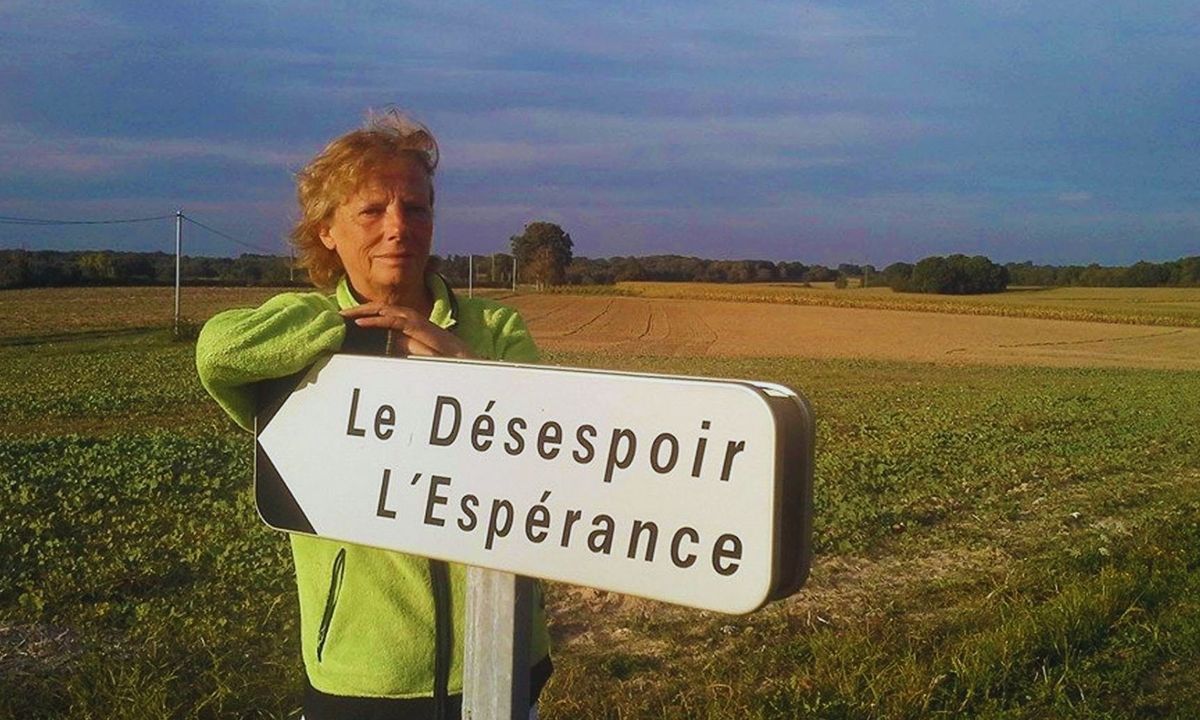
Rosen Hicher is one of the most emblematic figures of this struggle. After 22 years of prostitution, she first campaigns for the recognition of “sex work”, thus thinking of improving the living conditions of people in prostitution. But little by little, she becomes aware of the social mechanisms and constraints that have led her to fall into prostitution, the violence suffered throughout her journey and the physical and psychological consequences that she keeps.
She is then committed body and soul to associations such as the Mouvement du Nid or the Fondation Scelles and testifies tirelessly to the media and institutions, advocating for an abolitionist law.
In 2014, she launches a challenge: she decides to embark on a walk of about 750km to rally the different cities where she was a prostitute, from the last (Saintes, Charente Maritimes) to the first, Paris. Its purpose is to meet with mayors and attract media attention. She also launches a petition calling for “urgently setting up a system to help women who are completely deprived, forced to sell themselves to live”, and collects more than 30 000 signatures.
Since the adoption of the abolitionist law in 2016, she continues her fight by intervening in the awareness courses provided for men sanctioned for the purchase of sexual acts. From these confrontations with the “clients” during the internships, she draws a book entitled “Now you know” (Free Editions, 2026) in which she answers the excuses and justifications behind which they are used to hide.
This round table will look back on the entire activist career of Rosen Hicher, in the company of feminist lawyer Lorraine Questiaux, Fréderic Boisard, facilitator of awareness training courses on Fondation Scelles and co-author of the book “Now you know”, and Ambre, artist and young survivor of prostitution, that the “Red in particular” can find in the “Living”.
Practical info
Full venue programme →